English
  français
  Deutsch
  русский
  español
  português
  العربية
  Melayu
  ไทย
ไทย  Indonesia
  हिंदी
हिंदी 


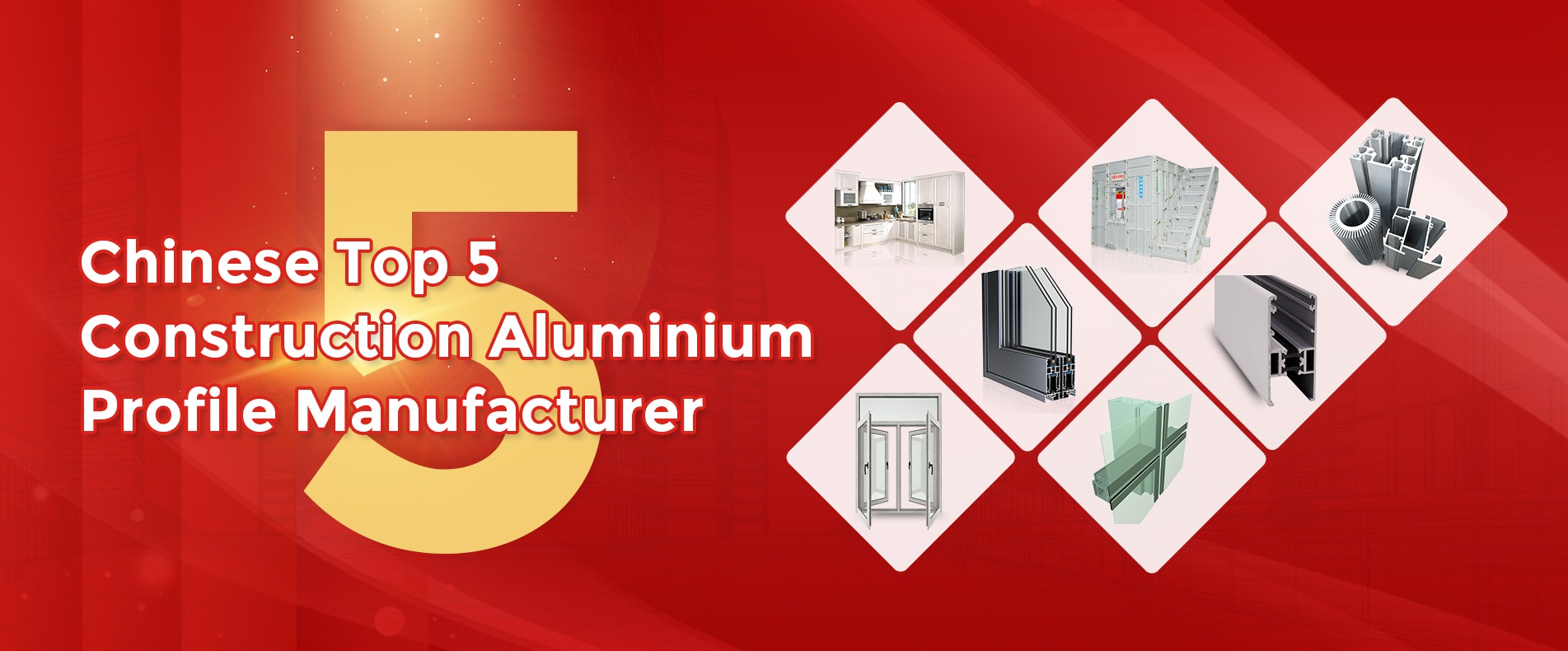
Si busca una opción inteligente para su próximo proyecto, los perfiles de aluminio destacan por su ligereza, resistencia, durabilidad y versatilidad. El aluminio ofrece gran flexibilidad de diseño y es fácil de trabajar. Puede personalizar formas y acabados según sus necesidades. A diferencia del acero, que es pesado y requiere más mantenimiento, o la madera, que es menos resistente y a menudo requiere reparaciones, el aluminio ofrece una solución práctica. Elegir el material adecuado implica adaptar sus características a las necesidades de su proyecto.
Los perfiles de aluminio son livianos y resistentes, lo que los hace fáciles de manipular e instalar para diversos proyectos de construcción.
Ofrecen una excelente resistencia a la corrosión y durabilidad, especialmente con tratamientos de superficie como anodizado y recubrimiento.
Los perfiles de aluminio proporcionan flexibilidad de diseño, permitiendo la personalización en formas y acabados para adaptarse a las necesidades del proyecto.
La elección del aluminio puede ahorrar costes de mantenimiento a largo plazo debido a sus bajos requisitos de mantenimiento en comparación con la madera y el acero.
El aluminio es altamente reciclable, lo que lo convierte en una opción ecológica que apoya prácticas de construcción sustentables.
Al observar los perfiles de aluminio, se observa un material que ofrece muchas ventajas. La extrusión de aluminio proporciona componentes ligeros, fáciles de manipular e instalar. Obtiene una resistencia impresionante sin el volumen del acero. Esto hace que la extrusión de aluminio sea perfecta tanto para entornos arquitectónicos como industriales. Puede utilizar perfiles de aluminio para marcos de ventanas, puertas, muros cortina e incluso accesorios de interior.
Guang Ya Aluminium Industries Co., Ltd. se destaca como una fuente confiable de extrusión de aluminio personalizable y de alta calidad. Su gama abarca todo, desde Perfiles industriales de aluminio Perfiles de aluminio arquitectónicos. Puede diseñar perfiles que se ajusten a sus necesidades específicas gracias a sus avanzadas opciones de personalización.
A continuación se muestra una comparación rápida del aluminio con otros materiales para fachadas:
|
Propiedad |
Aluminio |
Acero inoxidable |
|---|---|---|
|
Resistencia a la tracción (MPa) |
100 - 400 |
515 - 1300 |
|
Resistencia a la corrosión |
Bueno, pero menos efectivo en entornos agresivos. |
Más fuerte en entornos agresivos |
|
Conductividad térmica (W/mK) |
Superior al acero inoxidable |
Más bajo que el aluminio |
La extrusión de aluminio ofrece una buena resistencia a la corrosión gracias a su capa de óxido autoprotectora. No hay que preocuparse por la oxidación en la mayoría de los entornos. Además, la extrusión de aluminio posee una alta conductividad térmica, lo que contribuye a la eficiencia energética de los materiales de fachada.
Consiga aún más durabilidad y estilo con los tratamientos de superficie. Descubra las opciones:
|
Tipo de tratamiento |
Beneficios |
Nivel de durabilidad |
|---|---|---|
|
Anodizado |
Resistencia a la corrosión, resistencia al desgaste, versatilidad estética. |
Alto |
|
Revestimiento |
Flexibilidad estética, rentabilidad |
Moderado |
|
Transferencia de vetas de madera |
Aspecto natural, requiere protección adicional. |
Bajo |
La extrusión de aluminio le permite elegir acabados que se adapten a su visión de diseño. El anodizado aumenta la resistencia a la corrosión y la durabilidad, mientras que el recubrimiento en polvo le brinda flexibilidad de color. Incluso puede optar por la transferencia de vetas de madera para una apariencia natural.
Consejo: La extrusión de aluminio es altamente reciclable. Contribuye al medio ambiente al elegir perfiles de aluminio para los materiales de su fachada.
La extrusión de aluminio tiene algunas limitaciones. Es posible que observe que los perfiles de aluminio no alcanzan la resistencia a la tracción del acero. En entornos agresivos, la resistencia a la corrosión puede disminuir, especialmente si se omiten los tratamientos superficiales. El acero inoxidable suele tener un mejor rendimiento en entornos altamente ácidos o básicos.
El aluminio extruido se abolla con mayor facilidad que el acero. Si necesita la máxima resistencia para aplicaciones industriales de alta resistencia, le conviene comparar opciones. Los acabados con veta de madera en perfiles de aluminio lucen muy bien, pero requieren un cuidado especial para mantener su durabilidad.
Considere los perfiles de aluminio si busca un equilibrio entre resistencia, durabilidad y ligereza. La extrusión de aluminio es ideal para fachadas de viviendas, oficinas y edificios públicos. sistemas de muro cortina de aluminio En edificios altos, gracias a su ligereza y resistencia, los perfiles industriales de aluminio ofrecen soluciones robustas para estructuras de maquinaria y equipos.
A continuación se muestran algunos usos típicos de la extrusión de aluminio:
|
Solicitud |
Beneficios clave |
Ejemplos comunes |
|---|---|---|
|
Marcos de puertas y ventanas |
Fuerte, fácil de cuidar, elegante. |
Viviendas y edificios de oficinas |
|
Muros cortina |
Ligero, resistente y de buen aspecto. |
Oficinas altas, edificios públicos |
|
Techado y revestimiento |
Resistente a la oxidación, ligero |
Fábricas, casas nuevas |
|
Andamio |
Fuerte pero no pesado |
Sitios de construcción |
|
Equipamiento interior |
Fácil de diseñar, dura mucho tiempo. |
Paredes de oficina, molduras |
Con la extrusión de aluminio, obtendrá libertad creativa. La personalización le permite adaptar los perfiles a materiales de fachada únicos o necesidades industriales. La extrusión de aluminio es fácil de cortar y moldear, lo que permite adaptarla a diseños arquitectónicos complejos. Si busca un material más duradero que la madera y resistente a la corrosión, los perfiles de aluminio son una opción inteligente.
Nota: Si necesita una entrega rápida y una calidad confiable, Guang Ya Aluminium Industries Co., Ltd. puede entregarle extrusión de aluminio personalizada para su proyecto.
Buscas un material de construcción que facilite la manipulación e instalación de tu proyecto. El aluminio te ofrece esa ventaja. Su bajo peso te permite mover, levantar y colocar perfiles con menos esfuerzo. Ahorras tiempo y reduce los costes de mano de obra. Al comparar el aluminio con el acero o la madera, la diferencia es evidente. El aluminio pesa mucho menos, lo que permite diseñar estructuras más ligeras sin sacrificar la resistencia.
La relación resistencia-peso es una gran razón por la que el aluminio es tan popular en la construcción.
Las aleaciones de aluminio ofrecen una resistencia impresionante con menos masa que el acero.
Obtendrás estructuras más ligeras pero resistentes, lo que significa que gastarás menos en cimientos y materiales.
La instalación es más rápida porque no hay que lidiar con componentes pesados.
Si trabaja en proyectos donde el peso importa, como edificios de gran altura, puentes o casas modulares, los perfiles de aluminio le ayudan a cumplir con requisitos estrictos. También puede usar aluminio en el transporte y la industria aeroespacial, donde cada kilo cuenta.
Consejo: Los materiales más ligeros facilitan el envío y la manipulación. Puede reducir los costos de transporte y agilizar el plazo de su proyecto.
El aluminio no solo reduce el peso, sino que también ofrece un rendimiento fiable. Ofrece una alta relación resistencia-peso, lo que significa que el aluminio puede soportar cargas pesadas sin aumentar el volumen. Por ejemplo, la aleación 6061-T6 tiene una resistencia a la tracción de aproximadamente 35 000 PSI. Esto es suficiente para muchas aplicaciones exigentes.
Puede elegir entre diferentes aleaciones de aluminio para satisfacer las necesidades de su proyecto. Algunas aleaciones, como la 7075, ofrecen una resistencia inigualable para usos de alto rendimiento. Otras, como la 6063, ofrecen un acabado excelente para diseños arquitectónicos. Puede elegir la aleación adecuada según su capacidad de carga, estética o necesidades de fabricación.
Los perfiles de aluminio también resisten la corrosión, especialmente con los tratamientos superficiales adecuados. Pueden utilizarse en entornos marinos, sistemas de energía renovable y edificios ecológicos. Su reciclabilidad también lo convierte en una opción sostenible.
La capacidad de carga es fundamental en las industrias de la construcción y la automoción.
Algunas aleaciones son más fáciles de mecanizar o soldar, lo que ayuda en la fabricación.
El aluminio es altamente reciclable, por lo que apoya prácticas ecológicas.
Quizás se pregunte en qué aspectos el aluminio supera a alternativas como el acero, la madera o el plástico. La respuesta depende de los objetivos de su proyecto. El aluminio destaca en industrias y entornos donde el peso, la resistencia y el rendimiento son fundamentales.
|
Industria/Escenario |
Aplicación/Caso de uso |
Razón para el uso del aluminio |
|---|---|---|
|
Energía renovable |
Marcos de paneles solares |
Ligero, resistente a la corrosión, no añade peso innecesario a los sistemas fotovoltaicos. |
|
|
Sistemas de montaje (racks y trackers) |
Marcos fuertes y adaptables que se pueden personalizar para diferentes instalaciones. |
|
|
Disipadores y disipadores de calor |
La alta conductividad térmica ayuda a regular la temperatura para un rendimiento óptimo del panel solar. |
|
|
Cerramientos y cajas de conexiones |
Protege los componentes de los factores ambientales y permite una disipación eficiente del calor. |
|
Energía eólica |
Turbinas eólicas marinas |
Resistencia superior a la corrosión en ambientes marítimos, ligero en comparación con otros metales. |
|
Energía hidroeléctrica |
Componentes varios (estructuras de tuberías forzadas, compuertas, válvulas, etc.) |
Reduce costos y corrosión, adecuado para entornos expuestos al agua. |
|
Edificios verdes |
Materiales de construcción ecológicos |
Ligero, resistente, maleable y reciclable, alineado con los principios de diseño sostenible. |
Se observa que el aluminio supera al acero, la madera y el plástico en energías renovables, eólica e hidroeléctrica. El cableado de aluminio pesa aproximadamente un 70 % menos que el de cobre, lo que facilita la instalación y reduce los costos. En los edificios ecológicos, la ligereza y el reciclaje del aluminio favorecen el diseño sostenible.
Si necesita un material que combine resistencia, rendimiento y ahorro de peso, perfiles de aluminio Son la opción inteligente. Obtendrá la mejor relación calidad-precio en cualquier aplicación, desde marcos de paneles solares hasta turbinas eólicas marinas. El aluminio le ayuda a construir estructuras más ligeras, resistentes y eficientes.
Nota: Al elegir perfiles de aluminio, obtiene flexibilidad, durabilidad y una clara ventaja en relación rendimiento-peso sobre materiales más pesados.
Quizás te preguntes por qué el acero sigue siendo el material elegido para tantos proyectos grandes. El acero destaca por su impresionante resistencia y durabilidad. Si necesitas un material que pueda soportar cargas pesadas y altas tensiones, el acero es la mejor opción. Tiene mayor límite elástico y resistencia a la tracción que el aluminio, lo que significa que puede soportar más peso sin doblarse ni romperse. Echa un vistazo a esta rápida comparación:
|
Material |
Límite elástico (MPa) |
Resistencia a la tracción (MPa) |
|---|---|---|
|
Acero |
~250 |
400-500 |
|
Aluminio (6061) |
~40 |
~90 |
El acero también requiere un menor espesor para alcanzar la misma resistencia que el aluminio. Por eso se utiliza en estructuras de rascacielos, puentes y otras estructuras donde la seguridad y la estabilidad son fundamentales. Se obtiene una mayor resistencia al corte, lo que ayuda a prevenir grietas y deformaciones con el tiempo.
El acero se prefiere para soportes estructurales y marcos resistentes.
Es más duradero, lo que lo convierte en una opción confiable para uso a largo plazo.
El acero no es ideal para cualquier trabajo. Notarás que el acero pesa mucho más que el aluminio, lo que puede dificultar su manejo e instalación. También es más propenso a la corrosión, especialmente en entornos hostiles, por lo que suele requerir recubrimientos adicionales o mantenimiento regular. Con el tiempo, estos costos de mantenimiento se acumulan.
He aquí un vistazo rápido a las diferencias de costos:
|
Material |
Costo por libra |
Proceso de producción |
Costo del ciclo de vida |
Costo de mantenimiento |
|---|---|---|---|---|
|
Aluminio |
$1.00 - $1.50 |
Consumo intensivo de energía |
Menor debido a la resistencia a la corrosión |
Menor en ambientes corrosivos |
|
Acero |
$0.30 - $0.60 |
Menos intensivo en energía |
Mayor debido a necesidades de mantenimiento |
Mayor en ambientes corrosivos |
El menor costo inicial del acero se debe a la abundancia de mineral de hierro, pero podría pagar más a lo largo de la vida útil de su proyecto debido al mantenimiento. El impacto ambiental es otro factor. Tanto la producción de acero como la de aluminio consumen mucha energía, pero los nuevos métodos que utilizan materiales reciclados y energías renovables están ayudando a reducir las emisiones.
Entonces, ¿qué material se adapta mejor a su proyecto? Si necesita máxima resistencia y durabilidad para aplicaciones de alta tensión, el acero es la mejor opción. Lo encontrará en puentes, edificios altos y maquinaria industrial. Si busca ligereza, facilidad de manejo y menor mantenimiento, los perfiles de aluminio ofrecen una alternativa inteligente.
Consejo: Considere el costo total del ciclo de vida, no solo el precio inicial. El aluminio puede ser más costoso al principio, pero su resistencia a la corrosión y su menor mantenimiento pueden ahorrarle dinero con el tiempo.
Debe adaptar su elección a las necesidades de su proyecto. Para estructuras de alta resistencia, el acero es la mejor opción. Para proyectos donde el peso, la resistencia a la corrosión y la flexibilidad de diseño son importantes, los perfiles de aluminio son la mejor opción. Ambos materiales tienen su lugar, así que piense en sus prioridades antes de decidir.

Quizás le encante la apariencia y la textura de la madera en sus proyectos. Aporta calidez y un estilo clásico que mucha gente aprecia. Se puede moldear fácilmente y es ideal para diseños personalizados. Si busca un acabado natural, la madera le ofrece muchas opciones. Muchos constructores la eligen por su bajo costo inicial, especialmente en la construcción residencial. Se puede encontrar madera prácticamente en cualquier lugar, lo que la convierte en una opción conveniente para proyectos pequeños.
La madera tiene algunas desventajas que debe considerar antes de tomar una decisión. Los marcos de madera pueden absorber humedad, lo que provoca deformaciones, pudrición y plagas. En ambientes húmedos, estos problemas se agravan. Es necesario tratar o sellar la madera regularmente para evitar un deterioro rápido. Pintar, teñir y sellar son pasos cruciales para proteger la madera del sol y la lluvia. Si no se realiza el mantenimiento, la madera puede perder su resistencia y apariencia rápidamente.
Las estructuras de madera, aunque resistentes, son propensas a problemas como deformaciones, pudrición y daños por insectos si no se mantienen adecuadamente. El mantenimiento regular es esencial para conservar la madera en buen estado. Con el tiempo, el coste del mantenimiento se acumula, especialmente en edificios comerciales, donde la durabilidad es fundamental.
Al comparar los perfiles de madera con los de aluminio, se observan claras diferencias. El aluminio cuesta más al principio, pero con el tiempo se gasta menos en mantenimiento. La madera empieza siendo más barata, pero se paga más por reparaciones y mantenimiento. Observe esta tabla:
|
Material |
Costo inicial |
Costo de mantenimiento |
Durabilidad |
Reutilización |
|---|---|---|---|---|
|
Madera |
Más bajo |
Más alto con el tiempo |
Menos duradero |
No |
|
Aluminio |
Más alto |
Disminuir con el tiempo |
Más duradero |
Sí |
La sostenibilidad también es importante. El aluminio con veta de madera es totalmente reciclable, mientras que la madera natural tiene una reciclabilidad limitada. El abastecimiento de aluminio puede ser más transparente, especialmente cuando se utilizan materiales reciclados. El abastecimiento tradicional de madera puede provocar deforestación y alteración del hábitat.
El aluminio con veta de madera es totalmente reciclable, mientras que la madera natural tiene una reciclabilidad limitada.
El abastecimiento de aluminio puede ser más transparente, especialmente cuando se utilizan materiales reciclados.
La obtención tradicional de madera puede provocar deforestación y alteración del hábitat.
Si busca un material más duradero, que requiera menos mantenimiento y que favorezca la construcción ecológica, los perfiles de aluminio son una opción inteligente. Ofrece durabilidad, estilo y sostenibilidad, todo en un mismo paquete.
Podrías pensar que el plástico es solo para trabajos ligeros, pero en realidad ofrece ventajas importantes. Es fácil moldearlo en diferentes formas, lo que te da flexibilidad para diseños creativos. Puedes elegir entre una amplia gama de colores y acabados. El plástico absorbe bien los impactos, lo que lo hace ideal para aplicaciones donde la resistencia al impacto es importante. Si necesitas un material que no se oxide ni se corroa, el plástico es la solución. Además, ahorras dinero al principio, ya que el plástico suele ser más barato de producir que el aluminio.
El plástico absorbe los impactos mejor que los metales debido a su elasticidad.
Obtendrás costos de producción iniciales más bajos.
El plástico es más ligero que muchos otros materiales de construcción.
El plástico tiene sus limitaciones, especialmente al compararlo con el aluminio. Notarás que el plástico no alcanza la resistencia ni la durabilidad de los perfiles de aluminio. Plásticos comunes como el PVC o el polietileno tienen resistencias a la tracción de entre 20 y 60 MPa, mientras que las aleaciones de aluminio oscilan entre 70 y 700 MPa. Esto significa que el aluminio se comporta mejor bajo cargas pesadas y tensiones repetidas. El plástico puede deformarse o agrietarse si se le aplica demasiado peso. Con el tiempo, la exposición a la luz solar y a la intemperie puede volverlo quebradizo.
Vea cómo se comparan el plástico y el aluminio en aplicaciones industriales:
|
Factor |
Plástico |
Aluminio |
|---|---|---|
|
Costo de producción inicial |
Más bajo |
Más alto |
|
Durabilidad |
Medio |
Alto |
|
Eficiencia del reciclaje |
Moderado |
Excelente |
El plástico también enfrenta desafíos con el reciclaje. La mayoría de los plásticos tienen bajas tasas de reciclaje, lo que genera residuos y contaminación. El aluminio, por otro lado, ofrece una excelente eficiencia de reciclaje y mayores tasas de reciclaje.
Al elegir entre plástico y aluminio, debe considerar las necesidades de su proyecto. Si busca un material fácil de moldear y con un costo inicial más bajo, el plástico podría ser la mejor opción. Si necesita resistencia, durabilidad y mejores opciones de reciclaje, los perfiles de aluminio son la opción más inteligente. El aluminio se comporta mejor bajo cargas cíclicas y alta compresión, lo que lo hace ideal para usos estructurales. Además, es una opción más sostenible, ya que el aluminio tiene mayores tasas de reciclaje.
Consejo: Considere la energía utilizada en su producción. El aluminio requiere más electricidad por kilogramo que el plástico, pero se obtienen resultados más duraderos y una mayor reciclabilidad.
Debe sopesar las ventajas y desventajas de ambos materiales. Su elección final dependerá del equilibrio entre costo, rendimiento e impacto ambiental.
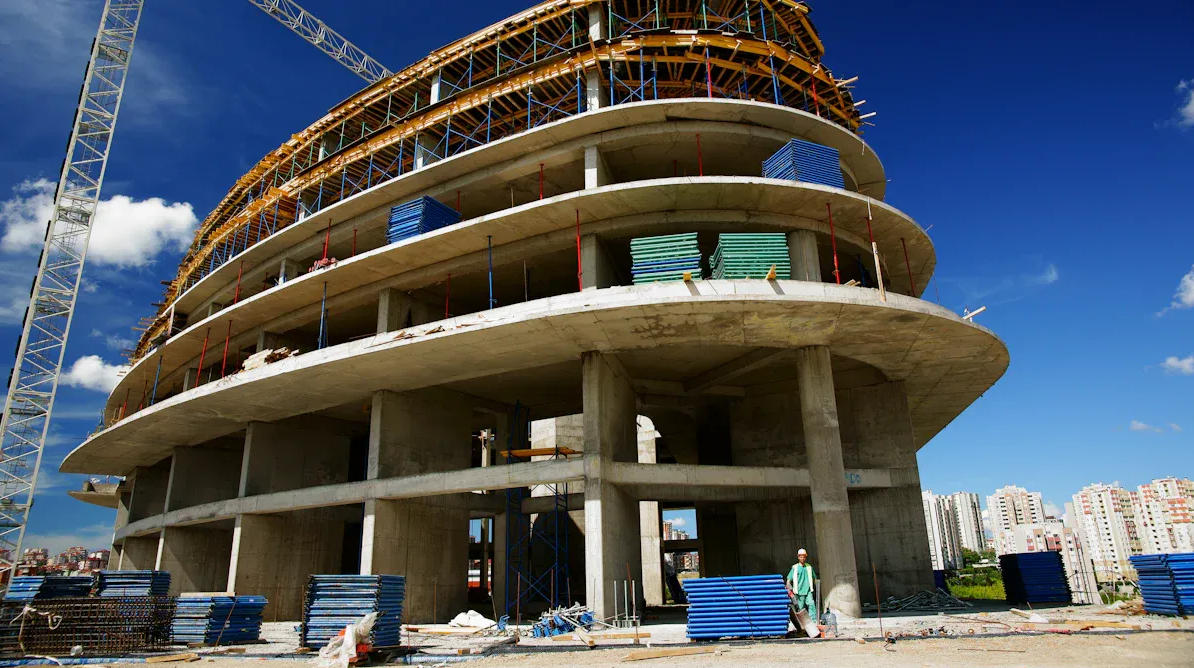
Al planificar un proyecto, el costo suele ser el factor determinante en tus decisiones. Quieres saber cuánto te costará cada material a lo largo del tiempo. Echa un vistazo a esta comparación:
|
Material |
Costo promedio (por metro lineal) |
Mantenimiento |
Esperanza de vida |
|---|---|---|---|
|
Madera (tratada) |
$3–$6 |
Sellado regular, propenso a pudrirse. |
10–15 años |
|
Aluminio |
$6–$12 |
Bajo mantenimiento |
30–50+ años |
Pagas más por adelantado por el aluminio, pero ahorras en reparaciones y reemplazos. Su larga vida útil y bajo mantenimiento lo convierten en una inversión inteligente si te preocupa la sostenibilidad a largo plazo. Evitas el mantenimiento frecuente, lo que significa menos dolores de cabeza a largo plazo.
La durabilidad es importante si quieres que tu proyecto perdure. Necesitas un material que resista el desgaste diario. Compara las opciones más comunes:
|
Material |
Durabilidad |
Esperanza de vida |
Necesidades de mantenimiento |
|---|---|---|---|
|
Madera |
Bajo |
Corto |
Alto (reemplazo frecuente) |
|
Acero |
Muy alto |
Cientos de usos |
Bajo (requiere mantenimiento antioxidante) |
|
Aluminio |
Alto |
Largo |
Bajo (pero riesgo de robo) |
El aluminio le ofrece una durabilidad confiable y un mantenimiento mínimo. Pasará menos tiempo preocupándose por la oxidación o la putrefacción. Si busca un material que conserve su resistencia y apariencia, los perfiles de aluminio son la solución.
Quizás te preguntes cómo tus decisiones afectan al medio ambiente. La sostenibilidad es una prioridad para muchos constructores hoy en día. Consulta esta tabla:
|
Material |
Requerimientos de energía para la producción |
Reciclabilidad |
Impacto ambiental |
|---|---|---|---|
|
Aluminio |
5% de nueva producción de energía |
Casi infinito |
Menos emisiones de carbono, el peso ligero reduce las emisiones del transporte |
|
Acero |
Más alto que el aluminio |
Menos eficiente energéticamente |
Mayor impacto ambiental durante la producción y el reciclaje |
|
Plástico |
Alta energía y emisiones |
Difícil de reciclar |
Contribuyente principal a las emisiones de gases de efecto invernadero |
|
Madera |
Renovable pero puede provocar deforestación |
N / A |
Pérdida potencial de hábitat |
El aluminio destaca por su sostenibilidad. Ofrece una reciclabilidad casi ilimitada y menores emisiones de carbono. Elegir perfiles de aluminio le ayuda a promover la sostenibilidad a largo plazo y a proteger el medio ambiente.
Quieres que tu proyecto luzca impecable y funcione bien. La flexibilidad de diseño te permite crear formas y acabados únicos. Así es como se comparan los materiales:
|
Material |
Flexibilidad de diseño |
Fortaleza |
Peso |
Opciones de personalización |
|---|---|---|---|---|
|
Aluminio |
Alto |
Moderado |
Luz |
Formas complejas, múltiples acabados |
|
Acero |
Moderado |
Alto |
Pesado |
Formas limitadas, menos acabados |
|
Madera |
Moderado |
Bajo |
Luz |
Formas limitadas, acabados naturales. |
|
Plástico |
Bajo |
Bajo |
Luz |
Formas simples, acabados limitados. |
Los perfiles de aluminio ofrecen una rápida personalización. Puede elegir entre una gran variedad de acabados y formas. Proveedores como Industrias de aluminio Co., Ltd. de Guang Ya Ofrecemos tratamientos de superficie, opciones de aleaciones y servicios de fabricación. Obtendrá una rápida personalización y flexibilidad para cualquier diseño. La personalización le ayuda a adaptarse a las necesidades y el estilo de su proyecto.
Consejo: Cuando trabajas con un proveedor que ofrece un sólido soporte y personalización, haces que tu proyecto sea más fluido y exitoso.
Ya has visto cómo se comparan los perfiles de aluminio con el acero, la madera y el plástico. Consulta esta tabla para un breve resumen:
|
Ventaja clave |
Perfiles de aluminio |
Encofrado de plástico |
|---|---|---|
|
Durabilidad |
Altamente durable |
Propenso a agrietarse |
|
Flexibilidad de la aplicación |
Fabricado a medida |
Diseños limitados |
|
Escalabilidad |
Fácilmente escalable |
Reutilización limitada |
Si busca materiales duraderos, que ofrezcan flexibilidad de diseño y sean escalables, los perfiles de aluminio son una buena opción. A continuación, le indicamos lo que debe hacer:
Define las necesidades de tu proyecto y elige la aleación adecuada.
Elija una forma de perfil y un acabado que se adapte a su estilo.
Compare costos y solicite muestras.
Hable con expertos e investigue proveedores sobre calidad y personalización.
Al consultar con sus proveedores, pregunte sobre la verificación de la materia prima, la supervisión del proceso y las auditorías finales. Estos pasos le ayudarán a obtener el mejor aluminio para su proyecto. Tomará una mejor decisión si combina los materiales con sus necesidades y trabaja con profesionales.
Los perfiles de aluminio ofrecen ligereza, resistencia, fácil instalación y flexibilidad de diseño. Puede elegir entre una amplia variedad de acabados y formas. Además, ofrecen durabilidad y un bajo mantenimiento.
¡Sí! Los perfiles de aluminio son casi 100 % reciclables. Al elegir aluminio, contribuyes al medio ambiente. Reciclar aluminio consume menos energía que fabricar material nuevo.
Los perfiles de aluminio resisten mejor la corrosión que el acero. Requieren menos tiempo de mantenimiento. El aluminio es ideal para ventanas, puertas y muros cortina en exteriores.
Puede confiar en los perfiles de aluminio para diversos usos estructurales. Ofrecen una alta relación resistencia-peso. Se utilizan en estructuras de edificios, andamios y equipos industriales.


 Red IPv6 compatible